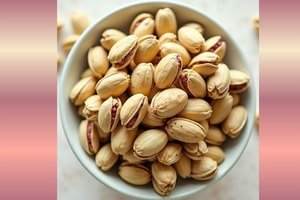
In a world overflowing with quick-fix health trends, one simple habit stands out for its effortless impact: adding walnuts to your daily routine. These crunchy, brain-shaped nuts aren’t just a tasty snack; they’re a powerhouse of nutrients that can quietly reshape your body from the inside out. Packed with omega-3 fatty acids, antioxidants, fiber, and polyphenols, walnuts offer a symphony of benefits that support everything from your ticker to your thinking cap.
But what exactly happens when you munch on a handful of walnuts every day? Drawing from rigorous scientific research, we’ll dive into 10 transformative effects on your body. Whether you’re aiming to fortify your heart, tame inflammation, or boost brainpower, incorporating walnuts could be the game-changer your wellness routine needs. Let’s crack open the facts.
Also Read: 4 Powerful Fruits for Daily Liver and Kidney Detox Naturally
1. Your Heart Gets a Protective Shield Against Cholesterol Buildup
One of the most celebrated perks of daily walnut intake is its role in cardiovascular wellness. Walnuts are loaded with alpha-linolenic acid (ALA), a plant-based omega-3 that helps dial down harmful cholesterol levels. Over time, this can prevent plaque from gumming up your arteries, slashing your risk of heart attacks and strokes.
A meta-analysis of 13 clinical trials revealed that swapping in walnuts for other fats led to notable drops in total cholesterol (by about 10 mg/dL) and LDL “bad” cholesterol (by 9 mg/dL), without touching HDL “good” cholesterol. In one long-term study, older adults who enjoyed about two servings of walnuts daily for two years saw their LDL levels plummet, thanks to the nuts’ anti-inflammatory polyphenols that fight oxidative stress. The result? A stronger, more resilient heart that beats with less strain.
2. Inflammation Takes a Backseat, Easing Chronic Disease Risks
Chronic inflammation is like a low-grade fire in your body, fueling issues from arthritis to autoimmune disorders. Enter walnuts: their ellagitannins and other polyphenols act as natural firefighters, converting into urolithins in your gut to neutralize free radicals and calm inflammatory responses.
Research shows that consistent walnut eaters experience lower markers of inflammation, such as C-reactive protein, which ties directly to reduced risks of heart disease and diabetes. A 2023 review highlighted how just 10 grams (roughly five walnut halves) per day could dampen systemic inflammation, promoting smoother cellular function across your organs. Over weeks of daily nibbling, you might notice less joint stiffness or fatigue, subtle signs your body’s internal environment is cooling down.
3. Your Gut Microbiome Blooms with Beneficial Bacteria
Your gut is your body’s command center, influencing digestion, immunity, and even mood. Walnuts serve as prebiotic fuel, feeding good bacteria while weeding out the bad. This shift fosters a diverse microbiome that enhances nutrient absorption and wards off digestive woes.
In an eight-week trial, participants who added 1.5 ounces of walnuts daily saw a surge in probiotic strains linked to lower obesity and cancer risks. These changes ripple outward, potentially easing bloating, improving regularity, and bolstering your immune defenses. Think of it as upgrading your gut’s ecosystem for peak performance.
4. Brain Fog Lifts as Cognitive Function Sharpens
Walnuts’ resemblance to the brain isn’t coincidental; they’re a neuro-nutritional ally. Their ALA and antioxidants cross the blood-brain barrier to combat oxidative damage, supporting neuron health and synaptic plasticity.
Animal studies on aging rodents fed walnut-enriched diets showed enhanced memory, learning, and motor skills, with reduced anxiety-like behaviors after months of consumption. Human data from large cohorts, like the Nurses’ Health Study, links higher walnut intake to cognition that’s equivalent to staving off two years of age-related decline. Daily doses could mean crisper focus at work or quicker recall during conversations, potentially delaying the onset of conditions like Alzheimer’s.
5. Blood Sugar Stabilizes, Guarding Against Diabetes
Spikes and crashes in blood glucose can wreak havoc on energy and long-term health. Walnuts’ blend of fiber, protein, and healthy fats slows sugar absorption, promoting steady levels and better insulin sensitivity.
A 2023 review tied regular walnut consumption to a lower type 2 diabetes risk, with mechanisms beyond weight control—like direct improvements in glucose metabolism. In one trial, daily walnut smoothies curbed post-meal spikes, helping participants feel more even-keeled throughout the day. For those watching their carbs, this makes walnuts a smart, satisfying addition.
6. Weight Management Becomes Effortless with Appetite Control
Despite their calorie density (about 185 per ounce), walnuts don’t pack on pounds—they help keep them off. Their fiber and fats trigger satiety signals in the brain, curbing overeating.
Brain imaging from a small study showed that walnut eaters resisted food temptations more effectively after just five days, leading to reduced hunger hormones. Long-term nut consumers, per observational data, gain less weight over time, thanks to this built-in portion control. Daily handfuls could subtly shift your relationship with food, fostering sustainable leanness.
7. Skin Glows with Anti-Aging and Healing Powers
Walnuts’ vitamin E and essential fatty acids nourish skin from within, converting into compounds that speed wound healing and fight UV damage. Their anti-inflammatory edge may soothe conditions like eczema or psoriasis.
Studies on walnut oil application (and dietary intake) suggest faster recovery from irritations and slower wrinkle formation, attributed to reduced oxidative stress. Over months, you might spot a smoother texture and a healthier radiance—walnuts as your secret to ageless allure.
8. Cancer Risk Dials Down Through Cellular Protection
While no food is a cure-all, walnuts’ ellagic acid and urolithins show promise in slowing cancer cell proliferation. They target inflammation and DNA damage, key drivers of tumors.
Early lab and animal research indicate walnuts may inhibit breast and prostate cancer growth by disrupting tumor blood supply. Human links suggest lower overall cancer odds with nut-rich diets, positioning daily walnuts as a proactive shield.
9. Reproductive Health Gets a Boost, Especially for Men
For fertility fans, walnuts offer targeted support. Their antioxidants shield sperm from oxidative harm, improving motility and quality.
A review of dietary patterns found that omega-3-rich foods like walnuts counteract the fertility-sapping effects of processed diets. Animal models confirm reduced sperm damage with regular intake, hinting at enhanced vitality for those trying to conceive.
Also Read: Benefits of Healthy Eating for Adults
10. Overall Nutrient Intake Skyrockets for Total-Body Vitality
Beyond specifics, walnuts fill nutritional gaps effortlessly. A single ounce delivers 18% of your daily magnesium, potassium boosts for blood pressure, and folate for mood stability, plus melatonin for better sleep.
Diet modeling studies show that tossing in a handful daily elevates diet quality across age groups, amplifying benefits from other healthy eats. It’s like a multivitamin that tastes divine, energizing you holistically.
How Many Walnuts Should You Eat Every Day for Optimal Results?
Aim for 1-2 ounces (a small handful or 14 halves) to reap rewards without excess calories. Sprinkle them on yogurt, salads, or oatmealversatile and easy. Consult a doc if you have nut allergies or calorie concerns, but for most, this is a low-risk win.
Final Thoughts: Make Walnuts Your Daily Power Move
Eating walnuts every day isn’t about dramatic overhauls; it’s subtle, science-supported shifts that compound over time. From a fortified heart and sharper mind to glowing skin and a happier gut, these nuts deliver where it counts. Ready to walnut-ify your life? Grab a bag and start small. Your body will thank you one delicious bite at a time.
Stay safe and connected with the Chaska Club team. For more Health Chaska, visit our site regularly.